




E-Commerce•12 Min
How to Increase Revenue for a Beauty Brand: 9 Optimizations That Turn Browsers Into Buyers

Written byRishi Thacker
Posted onOct 30, 2026



US shoppers spent roughly 87 billion dollars through social platforms in 2025, and more than 100 million Americans now buy products without ever leaving an app they opened to see what their friends were doing. Worldwide, social commerce is on track to pass 1 trillion dollars in annual sales by 2028. The line between scrolling and shopping has effectively disappeared, which leaves ecommerce brands with a fair question: is social commerce a real sales channel, or a buzzword that will fade. The numbers point clearly to the first answer. This guide covers what social commerce is, why it works, which platforms fit your brand, and how to build a strategy that sells.
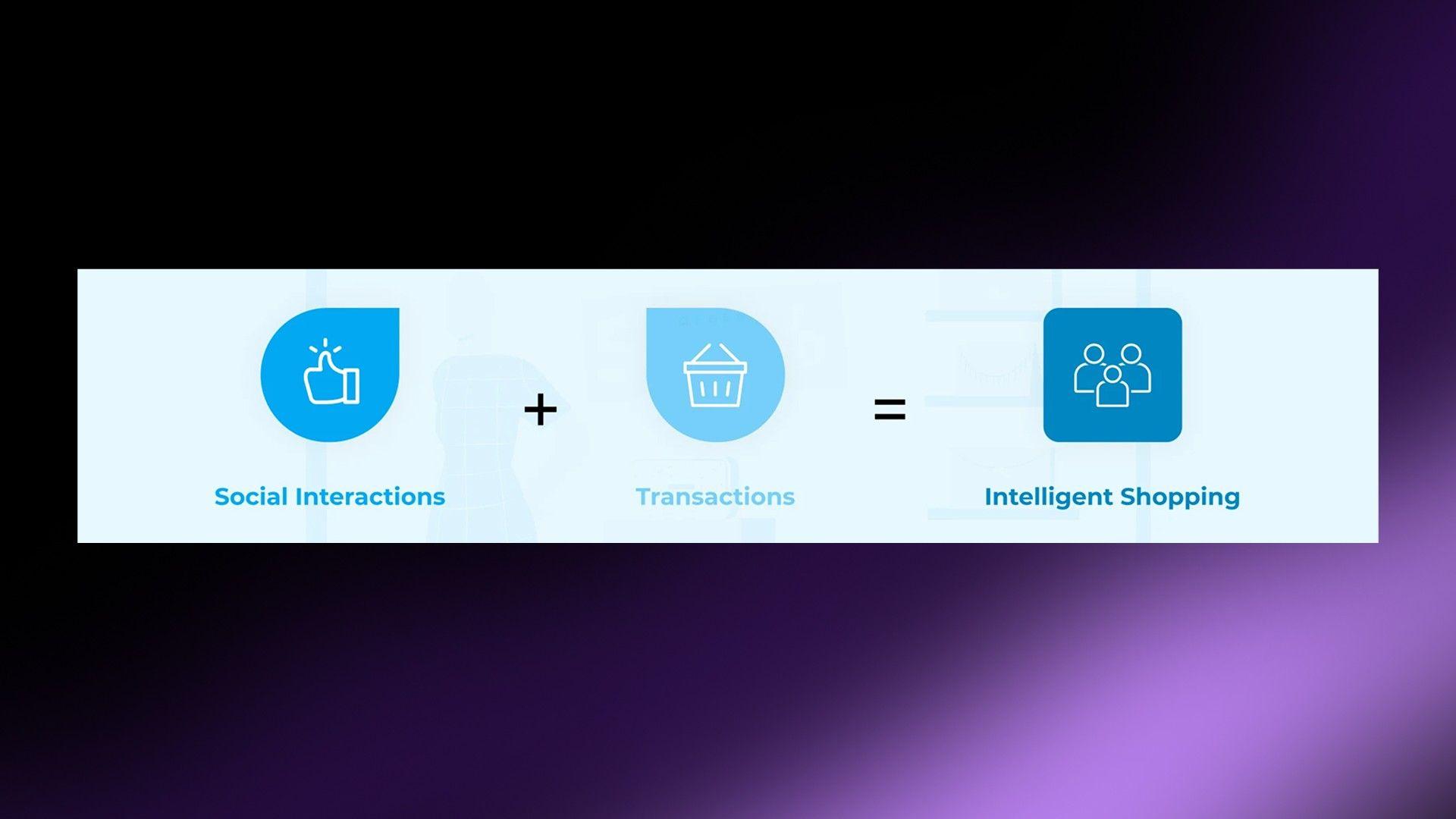
Social commerce is the buying and selling of products directly inside social media platforms. Instead of a post that sends someone off to your website, the whole journey, from discovery to checkout, happens in the app. That makes it a distinct step beyond social media marketing. Marketing uses social platforms to drive traffic somewhere else. Social commerce turns the platform itself into the store, with shoppable posts, in-app checkout, and product catalogs built into the feed.
The reason this matters is friction. Every extra tap between seeing a product and paying for it costs sales. Social commerce collapses that path into a few taps, inside an environment the customer already uses every day and already trusts.
Social platforms are where product discovery now begins. EMARKETER found that 73 percent of US Gen Z treat social media as their main source for learning about new products. Running paid social advertising extends that reach further, putting your catalog in front of audiences who match your best customers rather than waiting for those customers to find you.
When the path to purchase is a single tap, more browsers become buyers. Shoppable posts, stories, and videos let customers buy the moment a product catches their eye, and creator content adds trust at the point of decision. EMARKETER reports that 58 percent of US adults have bought something because of an influencer endorsement, which is the kind of proof that rarely lands through a banner ad.
Social platforms are built for interaction, which makes them a natural home for the reviews, photos, and customer videos that shoppers trust more than brand messaging. Answering questions in comments, resharing customer posts, and running live sessions all turn a transaction into a relationship, and that relationship is what brings people back for a second and third order.
Organic social costs nothing but time, and even paid social tends to cost less per customer than many traditional channels, because the targeting is sharper and the results are measurable in real time. You can see which posts and which products drive sales, then move budget toward what works instead of guessing.
A few current figures show both the scale of the channel and the direction it is heading:
One format deserves its own mention. Live shopping, where a host demonstrates products in a real-time video and viewers buy as they watch, has become the breakout channel inside social commerce. It is already a mainstream way to shop in China, and TikTok, Instagram, and Facebook have all built live selling into their apps for Western markets. The appeal is that it combines entertainment, demonstration, and urgency in a single session. A host can show how a product works, answer questions on the spot, and offer a limited-time deal, which compresses the usual research-and-decide cycle into a few minutes. For categories that benefit from demonstration, such as beauty, fashion, cooking, and gadgets, a regular live schedule can become one of the most productive things a brand does on social.
Not every platform is built for selling. Twitter's fast, text-first feed, LinkedIn's professional focus, and Reddit's community structure all work better for conversation than for a curated storefront. The five platforms below are where most social commerce actually happens. The monthly-user figures are the latest each platform has reported.
With around 3 billion monthly users, Facebook is the largest social platform and still the broadest reach for most brands. Its Marketplace, Facebook Shops, and shoppable posts let you list products, connect with buyers, and sell in the feed, backed by the most mature advertising tools of any platform.
Instagram has around 2 billion monthly users and is built for visual selling. Shoppable posts and stories, product tags, and in-app checkout make it a strong fit for visual categories, which is why so many fashion and apparel brands and beauty labels treat it as their primary storefront.
TikTok has well over 1 billion monthly users and the fastest-growing commerce features of the group. TikTok Shop, shoppable videos, and live shopping have turned short-form video into a direct sales channel, with a younger, highly engaged audience that buys on discovery.
Pinterest has around 550 million monthly users who arrive already looking for ideas and products, which gives it unusually high purchase intent. Product Pins and catalogs make it a strong fit for home, decor, style, and anything people plan and save before buying.
Snapchat has around 800 million monthly users and leans younger. Its augmented-reality try-on lenses and shoppable formats let brands offer a playful, interactive way to see a product before buying, which works well for beauty, eyewear, and accessories.
The best platform is the one where your customers already spend time and where your products show well, not the one with the biggest user count. Start with the audience. A younger audience points toward TikTok, Instagram, or Snapchat, while Pinterest and Facebook tend to skew a little older and higher-intent. Then match the format to the product. Visual, lifestyle products perform on Instagram, TikTok, and Pinterest, while broad-appeal goods that benefit from strong ad tools fit Facebook. For most brands it is better to run one platform well than to spread thin across five.
Create a business account on your chosen platform, then set up the shop with your catalog, pricing, and shipping options. Connecting that shop to your Shopify store keeps inventory, orders, and customer data in one place instead of scattered across apps, which saves hours once volume picks up.
Use high-quality images, write clear and specific descriptions, and include the terms people actually search for. Treat these listings the way you treat your website product pages, because the same conversion rate optimization principles apply: clear information, strong imagery, and as little friction as possible between interest and checkout.
As orders grow, stay on top of fulfillment and respond quickly to questions. Social buyers expect fast answers, and the speed of your service is often what decides whether a first purchase becomes a loyal customer or a one-time sale.
Track engagement, click-through, and conversion by platform and by content type, so you can see what drives sales rather than what drives vanity metrics. Then act on what the data shows: improve weak listings, shift budget toward the formats that convert, and retire what does not. Pairing social selling with marketing automation lets you follow up with buyers by email after the sale, which is how a one-time social purchase turns into repeat revenue.
A few patterns separate brands that sell on social from brands that simply post there:
Social media marketing uses social platforms to build awareness and drive traffic to your website, where the sale happens. Social commerce keeps the whole purchase inside the platform, from discovery to checkout. Most brands do both, but they are different activities with different goals.
There is no single best platform. The right one depends on where your customers spend time and how visual your products are. Younger audiences favor TikTok, Instagram, and Snapchat, Pinterest carries high purchase intent for home and style, and Facebook offers the broadest reach and the strongest ad tools. Start with one that fits, then expand once it works.
Yes, and often more so than for large brands, because organic reach and creator partnerships let a small store punch above its ad budget. The key is to start focused: pick one platform, set up a proper shop, and post consistently rather than spreading thin from day one.
For a growing share of customers, it is already the present. Sales are climbing at double-digit rates every year, the largest platforms have built checkout directly into the feed, and younger shoppers increasingly expect to buy where they discover. Social commerce will not replace your website or your other channels, but treating it as optional is no longer realistic. The brands that win are the ones that pick the right platform, build a real presence there, and measure their way toward what sells.


Drop your details and we'll email the download link straight to your inbox.