



E-Commerce•11 Min
How Programmatic SEO Delivered 135,000 Organic Clicks and ~830 Ranked Pages Across 5 Client Sites in 16 Months

Written byRishi Thacker
Posted onOct 19, 2026



Product recommendations and cross-selling drive between 10 and 30 percent of all ecommerce revenue, by McKinsey's estimate, and at Amazon the figure reaches about 35 percent of purchases. Product bundling is the deliberate, repeatable version of that idea. Instead of hoping a shopper adds a second item, you package complementary products together, price them to feel like a deal, and turn one purchase into several. Done well, bundling is one of the most dependable ways to raise average order value without spending a cent more on acquiring the customer.
This guide covers what product bundling is, why it works for both the brand and the shopper, the main types of bundles with examples, and a step-by-step method for building one that sells.
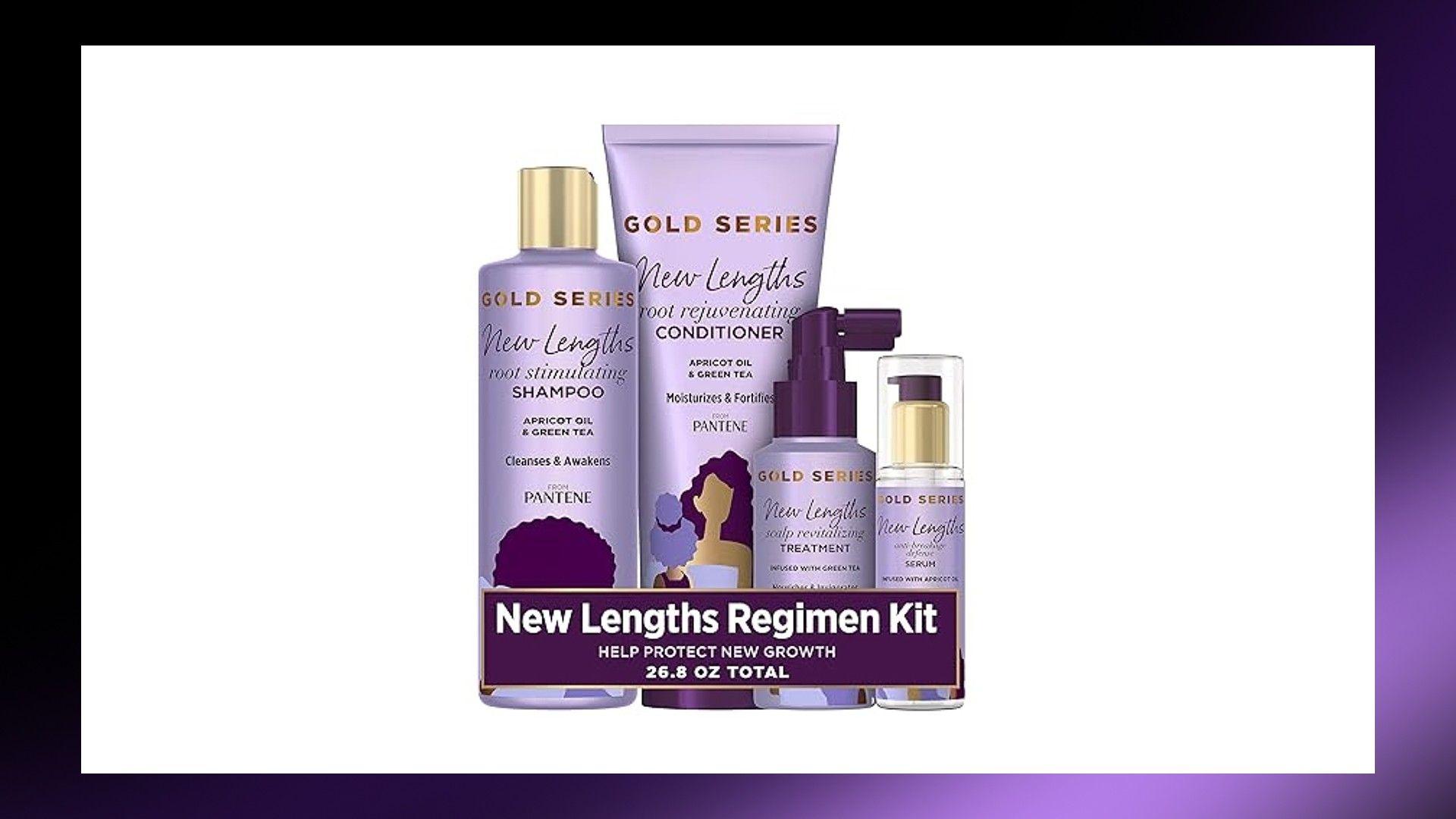
Product bundling is a strategy where several products or services are combined and sold as a single package, usually at a lower price than buying each item on its own. The logic is simple: shoppers perceive more value in a bundle, and brands sell more units per order. A hair-care brand, for example, might sell a shampoo, a conditioner, and a treatment serum as one regimen set, priced below the total of the three bought separately. The customer gets a complete routine at a saving, and the brand moves three products instead of one.
Bundling pays off on both sides of the transaction, which is what makes it durable rather than a short-term discount trick.
Not every bundle works the same way. These are the formats most ecommerce brands use, with an example of each.
The products are only available as a set and cannot be bought separately. This raises the perceived value of the package and pushes shoppers toward the bundle. Many subscription boxes work this way.
A new item is packaged with established best-sellers to borrow their popularity and earn early sales. Cosmetics brands do this often, pairing a new lipstick shade with a proven mascara and eyeliner.
Customers build their own bundle from a selection of products, usually unlocking a discount once they pick a set number of items. It gives shoppers control while still lifting the basket size.
Complementary products from different categories are combined to raise order value. Amazon's Frequently Bought Together is the familiar version, suggesting a camera alongside a memory card and a case.
Products are grouped and themed for gifting, often around holidays or occasions. Beauty retailers lean on this heavily with seasonal skincare, makeup, and fragrance sets.
Excess or end-of-season stock is bundled at a meaningful discount to clear it. Fashion retailers use this to move last season's lines without a straight markdown on every item.
Often called BOGO, the shopper gets a free or discounted second item for buying the first at full price. It works well for consumable products people reorder anyway.
Bundles are offered at several price points, such as basic, standard, and premium, with each tier adding more. Software products use this model constantly to match different budgets and needs.
Products or services are bundled for a recurring fee, giving the customer ongoing access and the brand predictable revenue. Streaming services are the clearest example, but replenishable physical products fit the model just as well.
A good bundle is planned, not improvised. Here is a repeatable method, followed through with a simple worked example for a coffee shop.
Decide what the bundle is for: increasing sales, clearing inventory, promoting a specific product, or raising order value. The goal shapes every choice that follows. For our coffee shop, the objective is to boost sales and bring customers back.
Pick items that complement each other or are commonly bought together, and consider pairing popular products with slower movers. The coffee shop selects travel mugs, bean grinders, and specialty blends in dark, medium, and flavored roasts.
Know who the bundle is for and what they value, so it solves a real need rather than just discounting stock. The coffee shop is targeting coffee lovers who care about quality and often brew at home.
Match the format to the goal and the products. The coffee shop runs two: a new-product bundle pairing a limited seasonal blend with a travel mug, and a mix-and-match bundle letting customers choose two blends plus a discounted grinder.
The bundled price should beat the cost of buying the items separately, while still protecting your margin. A seasonal blend at 15 dollars plus a 10 dollar mug might sell together for 20, a clear 5 dollar saving the customer can see at a glance. Show both the combined individual price and the bundle price, so the value is obvious, but keep the discount only as deep as it needs to be, or you train customers to wait for a deal.
Make the value obvious, and put the bundle where customers will see it. Use email marketing to reach existing customers, paid advertising to bring in new ones, and clear on-site placement so the offer is easy to find. Lead with the saving and the convenience rather than the product list.
Track the bundle's sales, its conversion rate, and its effect on average order value, then gather customer feedback and refine. Bundling is iterative: the first version is rarely the best, and small changes to the mix or price often move the numbers.
A few patterns from brands that bundle well:
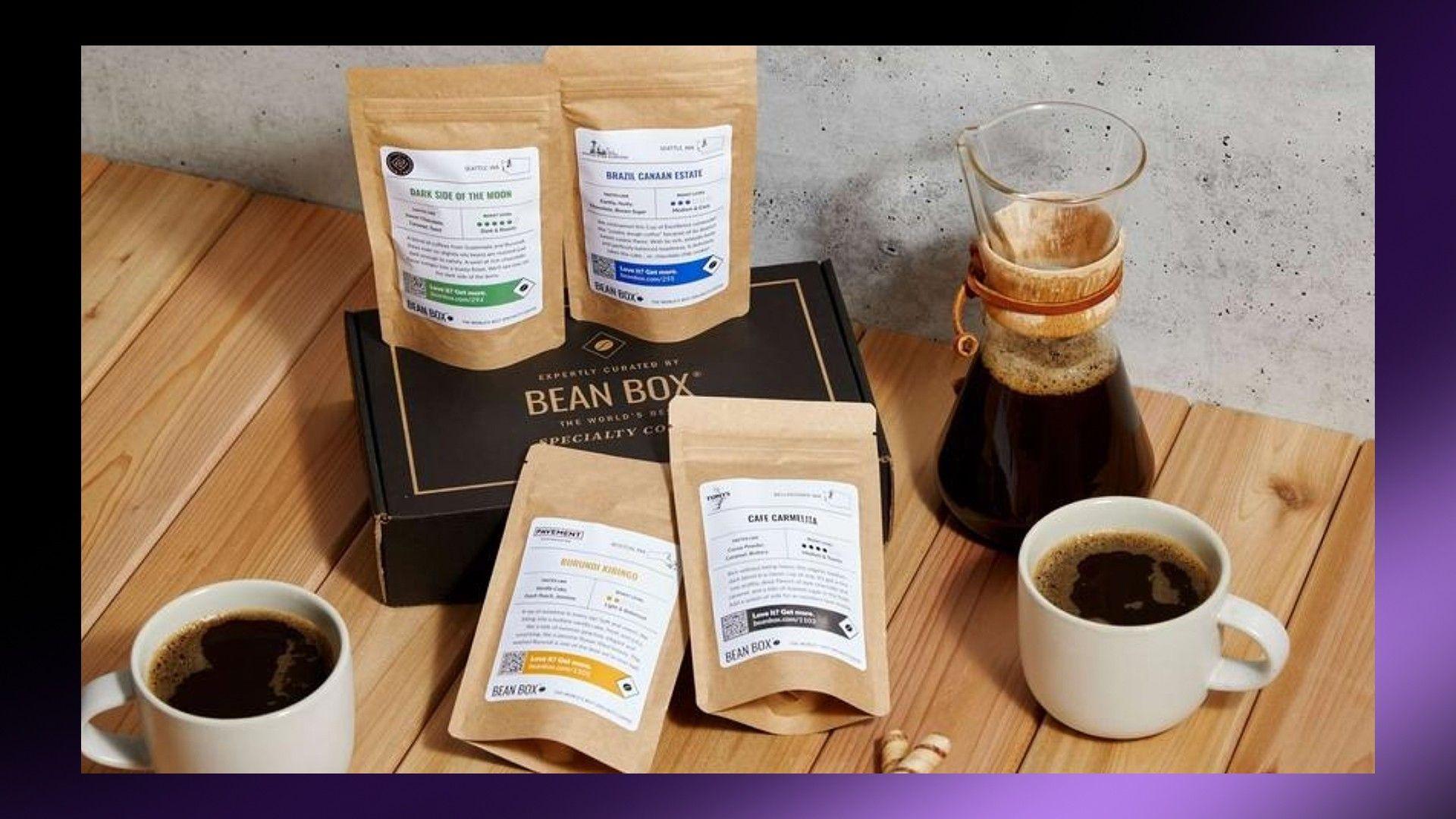
The common thread is that each bundle solves a complete need, feels like clear value, and is built from products that naturally belong together.
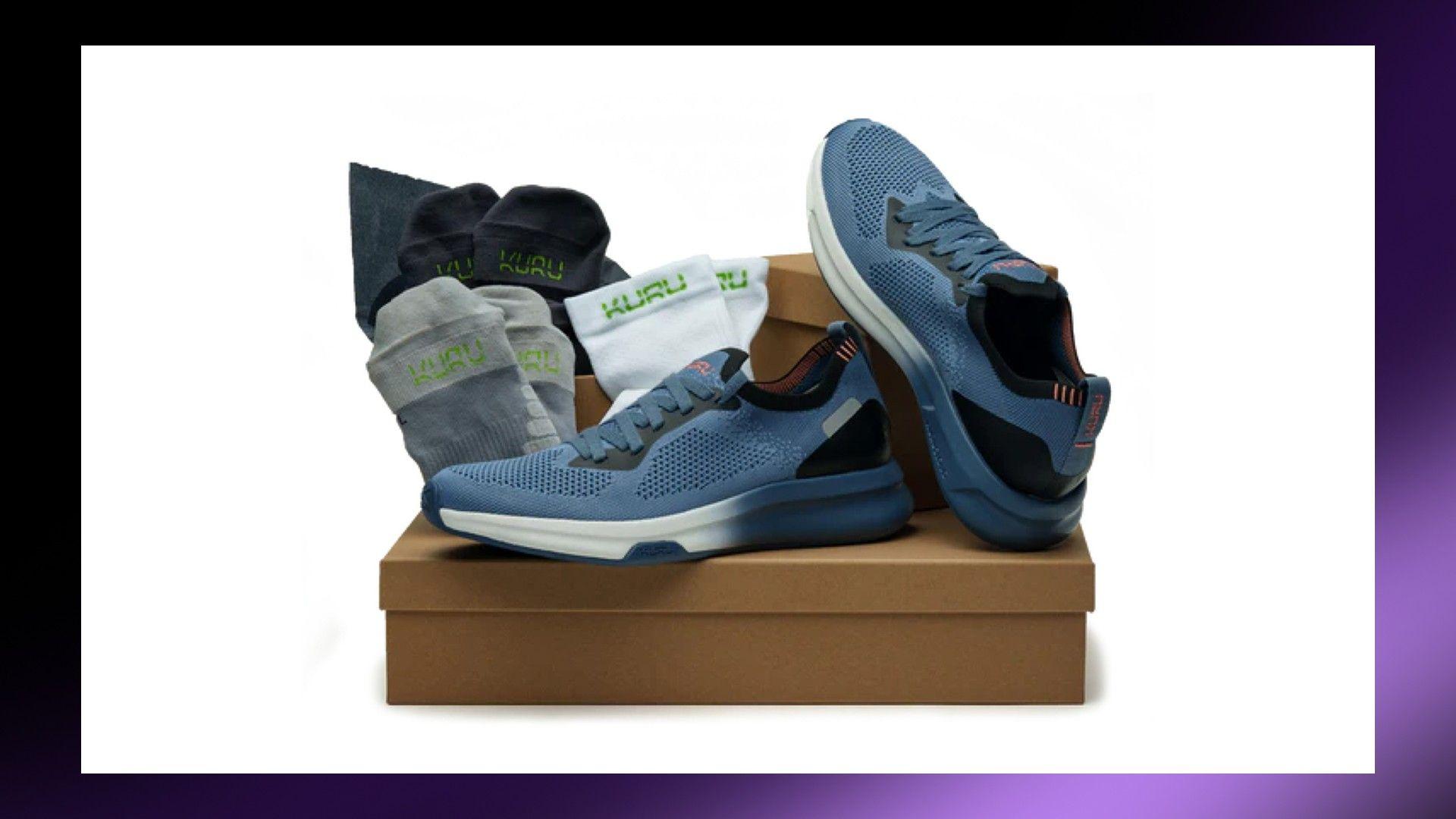
On most platforms you do not need to build bundling from scratch. If you run a Shopify store, bundling apps let you create fixed sets, mix-and-match offers, and automatic discounts without touching code, and they keep inventory accurate when a bundle sells. Whatever tool you use, make sure the bundle discount applies cleanly at checkout and that stock counts update across every product in the set, so you never oversell.
A few errors turn a promising bundle into a margin leak:
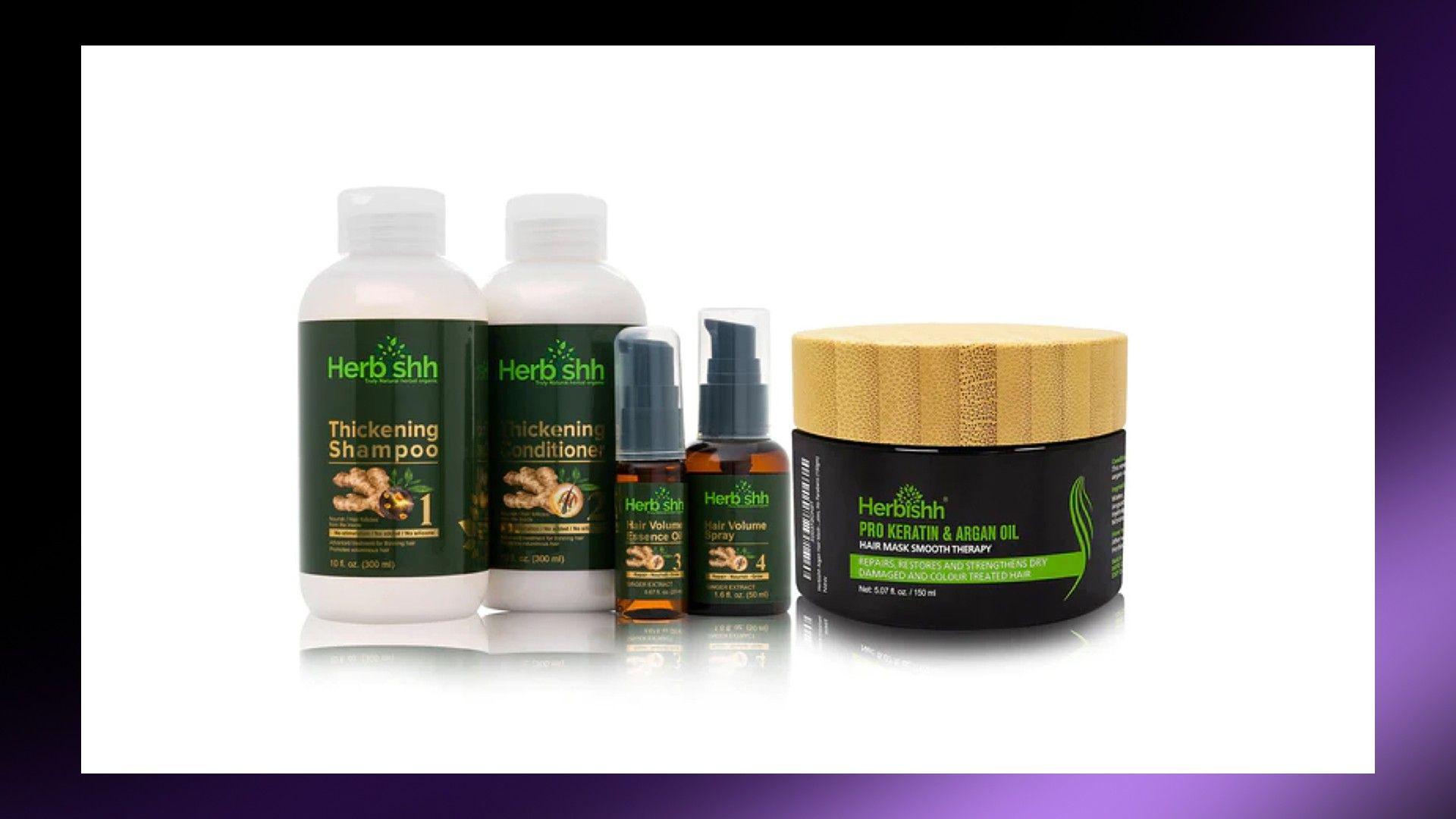
Product bundling is one of the few tactics that improves the order for the shopper and the margin for the brand at the same time. Start with a clear objective, pick products that naturally belong together, price the set so the value is obvious, and measure what happens. Begin with one or two bundles, learn from the numbers, and expand the formats that work. The brands that treat bundling as an ongoing experiment, rather than a one-time promotion, are the ones that turn it into a steady lift in revenue.
Yes, when the bundle is built around products customers want together and priced to feel like a saving. Bundling and cross-selling are a major share of ecommerce revenue precisely because they raise the value of orders that were going to happen anyway. The key is that the bundle has to offer real value, not just a token discount.
There is no single best type. Cross-sell and mix-and-match bundles tend to lift order value across most stores, new-product bundles help launches, and inventory-clearance bundles move stock. Start with the type that matches your immediate goal, then test others.
Usually, because the saving is what makes a bundle feel worth it, but the discount does not have to be large. Convenience, a complete solution, and exclusive or gift-ready sets can carry much of the appeal, which protects your margin while still giving the customer a reason to buy the set.
Enough to feel complete, but few enough that the value stays clear. Two to four products is a safe starting range for most stores. Larger bundles can work for gifting or starter kits, but once a set gets complicated, shoppers struggle to judge whether it is worth it, and conversion drops.


Drop your details and we'll email the download link straight to your inbox.